
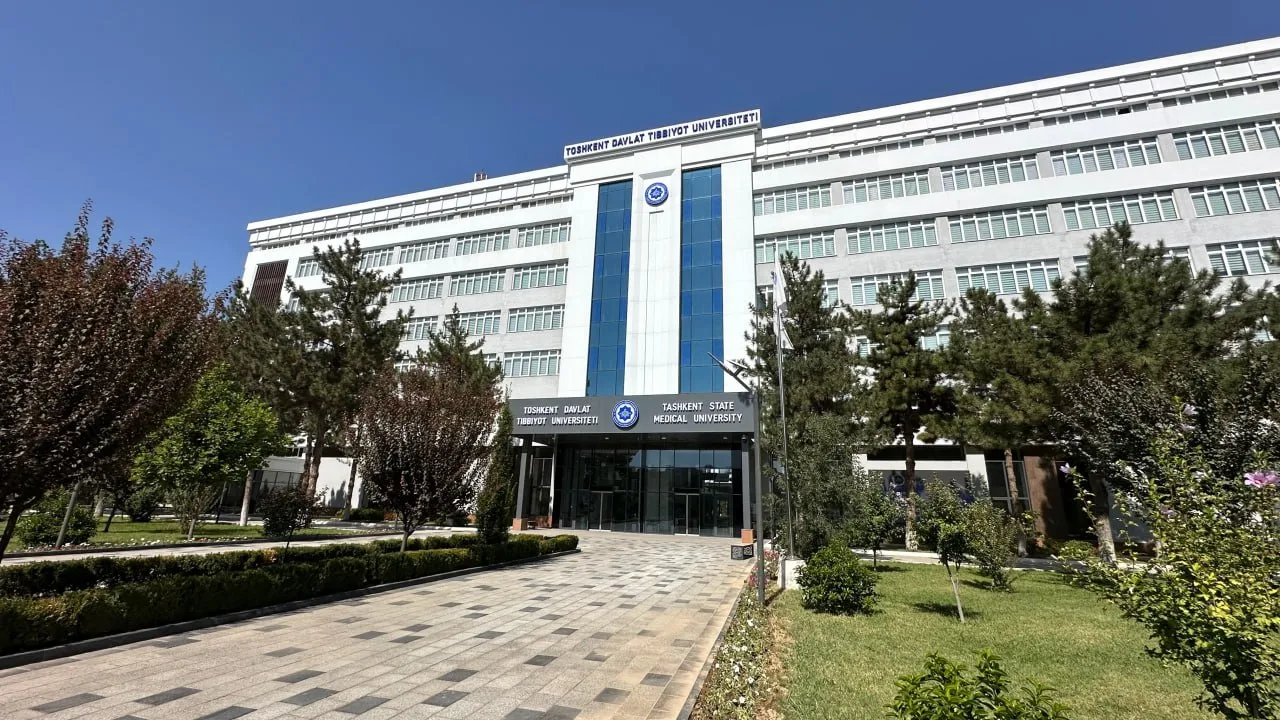
Tashkent State Medical University
29,000
Students
3,000
International students
2,540
Teaching staff
13
Faculties
40
Departments
1920
Founded
Video and photos
About the university
The most prestigious and leading, with a history of over 100 years, has been making a significant contribution to the training of highly qualified medical personnel, conducting scientific research and developing the healthcare system.
Establishment of the Faculty of Medicine of Turkestan State University
In 1918, the People's Commissariat of Health was established, thereby laying the foundation for medicine in Turkestan. On March 13, 1919, a decision was made to establish the faculty. On September 17, the first dean, Professor P.P. Sitkovsky, was elected, and the deputy, K.G. Khrushchev. In 1919-1921, the material and technical base was formed, a number of departments and professors began working. In 1920, 205 students studied at the faculty. In 1921, the first 12 students graduated, and in 1922, 27 students graduated.
In 1923, the number of students reached 973, more than half of whom were women. In subsequent years, professors and new teachers were attracted to the faculty. In 1931, the faculty was transformed into an independent Central Asian Medical Institute, the first rector of which was G.P. Fedorov. In 1935, it was renamed the Tashkent Medical Institute.
During the war years of 1941–1945, the institute trained more than 2,000 doctors, many of whom were sent to the front. By the 1950s, the institute had 53 departments, hundreds of professors and associate professors, and thousands of scientific works had been published.
In the 1960s–70s, the material and technical base of the institute expanded, new buildings, laboratories, and student dormitories were built. In 1972, the Institute of Pediatrics was separated. During these years, the institute gained international prestige, and foreign students also studied.
In the 1970s and 1980s, the number of students exceeded 10,000, and the number of professors and teachers exceeded 1,000. The institute published more than 17,000 articles and hundreds of monographs in scientific areas.
In 1990, the institute was divided into two - the First and Second Tashkent Medical Institutes. In 2005, they were again united, and the Tashkent Medical Academy was established. In 2014, the Faculty of Dentistry became a separate institute, and in 2018, the Termez branch of the academy was opened.
Tashkent State Medical University was established on the basis of the Tashkent Medical Academy, the Tashkent Pediatric Medical Institute, and the Tashkent State Dental Institute by the Resolution of the President of the Republic of Uzbekistan No. PQ-149 dated April 22, 2025 "On measures to radically improve the system of personnel training in the medical field."
For international students
Tashkent State Medical University creates favorable conditions for the education, professional development, and comfortable adaptation of international students.
The university offers modern educational programs, clinical training at leading medical institutions, well-equipped teaching laboratories, simulation centers, and electronic educational resources. The educational process is aimed at developing practical skills and preparing highly qualified specialists of international standing.
International students enjoy:
study in an international academic environment;
modern dormitories with comfortable living conditions;
visa and registration support;
support from the International Faculty at all stages of study;
participation in scientific research, international conferences, and academic exchanges;
sports clubs, cultural events, and student clubs that facilitate successful integration into university life.
Today, the university welcomes students from many countries, creating a multinational educational environment, facilitating cultural exchange and the development of international cooperation. The University strives to provide every student with a high-quality medical education, safe living conditions, and comprehensive support throughout their studies.
International partnerships
Currently, Tashkent State Medical University is consistently developing international cooperation with leading higher education institutions and scientific organizations of the world. In particular, the University has cooperation agreements and memorandums with 189 foreign higher education institutions and organizations from countries such as the USA, Germany, France, Italy, Korea, Turkey. Currently, the university is implementing 4 international projects and 5 joint educational programs. The university is ranked in the 601–800 group of places in the Times Higher Education (THE) Impact Rankings. Also, an average of 200 students and 400 professors, researchers and students participate in inbound and outbound academic exchange programs each year.
Language courses
{}
Opportunities for students
Teacher-student school
Working with talented students at the teacher and student school.
Students’ knowledge in science is one of the main factors in the development of our independent country and its competitiveness. Work with gifted students at the Academy is based on the order of the Ministry of Higher and Secondary Special Education of the Republic of Uzbekistan on measures to further improve the work of gifted students in accordance with the requirements of the Law of the Republic of Uzbekistan “On Education” and the National Program of Personnel Training, On Measures for Further Expansion of the Participation of the Economy and Branches in Increasing the Quality of Training of Specialists “PQ -3151-s in pursuance of the Resolution of the President of the Republic of Uzbekistan “On measures to further reform the system of medical education in the Republic of Uzbekistan” dated May 20, 2017, № 2909 “On measures for further development of the higher education system” A number of activities are being carried out in the TTA, the department of talented students and clubs.
To carry out these works, get familiarized with the orders of the Ministry of Higher and Secondary Special Education of the Republic of Uzbekistan No. 449 of August 11, 2017 and Order No 527 of August 1, 2017, on the content and essence of the orders, as well as implementation of appropriate measures and discussed specific issues facing the team. On the implementation of the Law of the Republic of Uzbekistan “On the state youth policy” adopted on September 14, 2016, the training of talented students on a specific targeted program and the training of skilled and patriotic intellectuals is an urgent problem of education.
Faculties
Form of study – credit-module system
Form of study – full-time
Duration of study – 6 years
Language of study – Uzbek, Russian, English
Specialization (qualification) awarded to graduates – Family Doctor
Study at Tashkent State Medical University is conducted on a credit-module system.
Educational program: in the 1st-3rd years, socio-humanitarian, medical-biological and fundamental sciences are taught, in the 4th-6th years – clinical sciences. In the 6th year, students are directly trained according to the family doctor program.
Graduates of the medical work education program can work as family doctors in primary health care institutions or continue their studies in a master's degree or clinical residency in the specialty of their choice.
Dean of the faculty: Doctor of Medical Sciences, Professor Otajonov Ilkhom Otaboyevich
Form of study – credit-module system
Form of study – full-time
Duration of study – 6 years
Language of study – Uzbek, Russian, English
Specialization (qualification) awarded to graduates – Family Doctor
Study at Tashkent State Medical University is conducted on a credit-module system.
Educational program: in the 1st-3rd years, socio-humanitarian, medical-biological and fundamental sciences are taught, in the 4th-6th years – clinical sciences. In the 6th year, students are directly trained according to the family doctor program.
Graduates of the medical work education can work as family doctors in primary health care institutions or continue their studies in a master's degree or clinical residency in the specialty of their choice.
Dean of the faculty: Doctor of Medical Sciences, Professor Irnazarov Akmal Abdullayevich
Faculty of Medicine No. 3
Form of study – credit-module system
Form of study – full-time
Duration of study – 6 years
Language of study – Uzbek, Russian, English
Specialization (qualification) awarded to graduates – Family Doctor
Study at Tashkent State Medical University is conducted on a credit-module system.
Educational program: in the 1st-3rd year, socio-humanitarian, medical-biological and fundamental sciences are taught, in the 4th-6th year - clinical sciences. In the 6th year, students are directly trained according to the family doctor program.
Graduates of the medical work education can work as family doctors in primary health care institutions or continue their studies in a master's degree or clinical residency in the specialty of their choice.
Dean of the faculty: Doctor of Medical Sciences, Professor Rizayev E'zozbek Alimzhanovich
Faculty of Medical Pedagogy and Treatment
Form of study – credit-module system
Form of study – full-time
Duration of study – 6 years
Language of study – Uzbek, Russian, English
Specialization (qualification) awarded to graduates – Family Doctor
Study at Tashkent State Medical University is conducted on a credit-module system.
Educational program: in the 1st-3rd year, socio-humanitarian, medical-biological and fundamental sciences are taught, in the 4th-6th year - clinical sciences. In the 6th year, students are directly trained according to the family doctor program.
Graduates of the treatment work educational program can work as family doctors in primary health care institutions or continue their studies in a master's degree or clinical residency in the specialty of their choice.
Faculty of Pediatrics No. 1
Form of study – credit-module system
Form of study – full-time
Duration of study – 6 years
Language of study – Uzbek, Russian, English
Specialization (qualification) awarded to graduates – Family doctor
Study at Tashkent State Medical University is conducted on a credit-module system.
Educational program: in the 1st-3rd year, socio-humanitarian, medical-biological and fundamental sciences are taught, in the 4th-6th year - clinical sciences. In the 6th year, students are directly trained according to the family doctor program.
Graduates of the pediatrics educational program can work as family doctors in primary health care institutions or continue their studies in a master's degree or clinical residency in the specialty of their choice.
Dean of the faculty: Nasirov Abdulaziz Akhmatullayevich
Faculty of Pediatrics No. 2
Form of study – credit-module system
Form of study – full-time
Duration of study – 6 years
Language of study – Uzbek, Russian, English
Specialization (qualification) awarded to graduates – Family doctor
Study at Tashkent State Medical University is conducted on a credit-module system.
Educational program: in the 1st-3rd year, socio-humanitarian, medical-biological and fundamental sciences are taught, in the 4th-6th year - clinical sciences. In the 6th year, students are directly trained according to the family doctor program.
Graduates of the pediatrics educational program can work as family doctors in primary health care institutions or continue their studies in a master's degree or clinical residency in the specialty of their choice.
Dean of the faculty: Doctor of Medical Sciences, Professor Ashurova Dilfuza Tashpulatovna
Faculty of Dentistry No. 1
Form of study – credit-module system
Form of study – full-time
Duration of study – 5 years
Language of study – Uzbek, Russian, English
Study at Tashkent State Medical University is conducted on a credit-module system.
Curriculum: Social-humanitarian, medical-biological and fundamental sciences are taught in courses 1-3, clinical sciences in courses 4-5.
Dean of the Faculty: Murtazayev Saidmurodkhon Saidialoyevich
Faculty of Dentistry No. 2
Form of study – credit-module system
Form of study – full-time
Duration of study – 5 years
Language of study – Uzbek, Russian, English
Study at Tashkent State Medical University is conducted on a credit-module system.
Curriculum: in the 1st-3rd years, social-humanitarian, medical-biological and fundamental sciences are taught, in the 4th-5th years – clinical sciences.
Dean of the Faculty: Gulyamov Sur’at Saydivalievich
The faculty trains general practitioners in the specialty of a doctor-teacher.
The term of study is 6 years.
Graduates of this faculty will work in medical institutions or medical colleges in the future
and may engage in teaching activities.
They can also continue their studies in a master's degree and clinical residency in their chosen specialty.
Dean of the Faculty: Doctor of Medical Sciences, Professor Khamraev Abror Asrarovich
Faculty-general physician prepares hygienist-epidemiologist specialists.
The term of study is 5 years.
Graduates can operate or be selected at institutions of the sanitary and epidemiological service
he can continue his studies in the magistracy in the direction.
Dean of the faculty: doctor of Medical Sciences, Associate Professor Salomova Feruza Ibadullayevna
The faculty trains specialists in the following areas: management in nursing, anesthesiology and resuscitation in nursing, surgery in nursing, obstetrics in nursing.
Dean of the faculty: Candidate of Medical Sciences, Professor Shomurodov Kahramon Erkinovich
Dean of the Faculty Doctor of Medical Sciences, Professor Khasanova Lola Emilievna
Foreign citizens study at the International Faculty of Tashkent State Medical University in the areas of "General Medicine", "Dentistry" and "Pediatrics".
Dean of the Faculty: Doctor of Medical Sciences Tursunov Dzhakhangir Khusanovich
Fields of study
| Anesthesiology and resuscitation 70910220 | Master's |
| Chemistry (by types) 60530100 | Bachelor |
| Dentistry 60910100 | Bachelor Master's |
| Ecology and environmental protection 60520200 | Bachelor |
| Field of study: Special pedagogy (by types of activity) 60110300 | Bachelor |
| Foundation Certificate in Biosciences leading to Biomedical Studies 60711100 | Bachelor |
| General Medicine 60910200 | Bachelor |
| Medical preventive work 60910400 | Bachelor |
| Medical-biological work 60910600 | Bachelor |
| Pediatric neurology 70910305 | Master's |
| Pediatric surgery 70910302 | Master's |
| Pediatrics 60910300 | Bachelor Master's |
| Pharmacy (by types) 60910700 | Bachelor |
| Traditional medicine 60911100 | Bachelor |
Programmes
All programmes →
Tashkent State Medical University
Pediatrics
36 400 000 so'm
per year
Tashkent State Medical University
General Medicine
36 400 000 so'm
per year
Tashkent State Medical University
Pediatrics
43 400 000 so'm
per year
Tashkent State Medical University
Dentistry
43 400 000 so'm
per year
Tashkent State Medical University
General Medicine
43 400 000 so'm
per year
Tashkent State Medical University
Dentistry
36 400 000 so'm
per year
Notable alumni
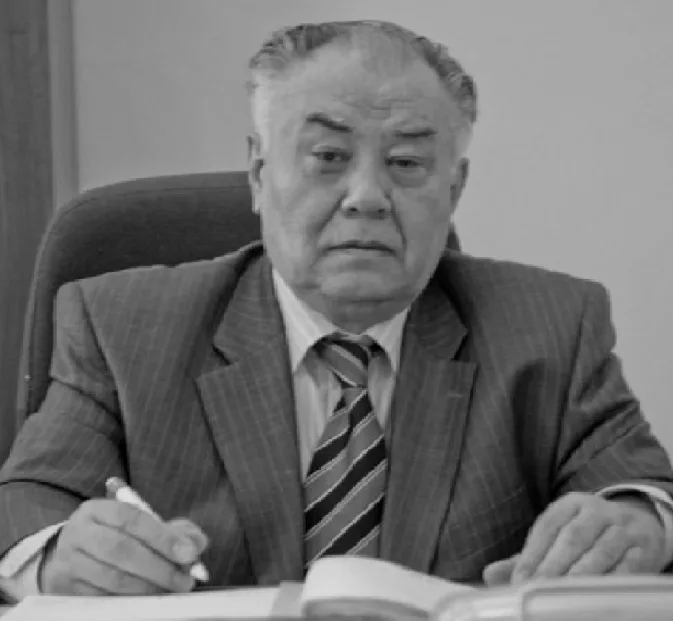
Turgunpulat Abidovich Daminov
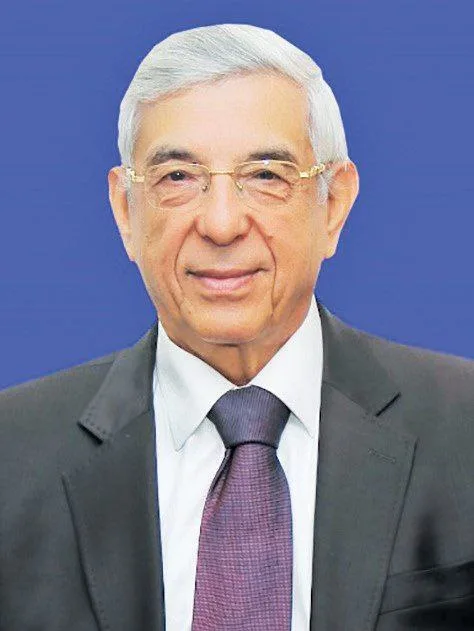
Shavkat Ibragimovich Karimov
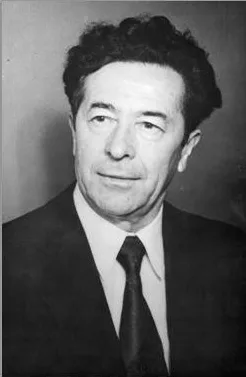
Yolkin Kholmatovich Turakulov