Tashkent State Technical University named after Islam Karimov
13,000
Students
85
International students
881
Teaching staff
5
Faculties
52
Departments
1918
Founded
Video and photos
About the university
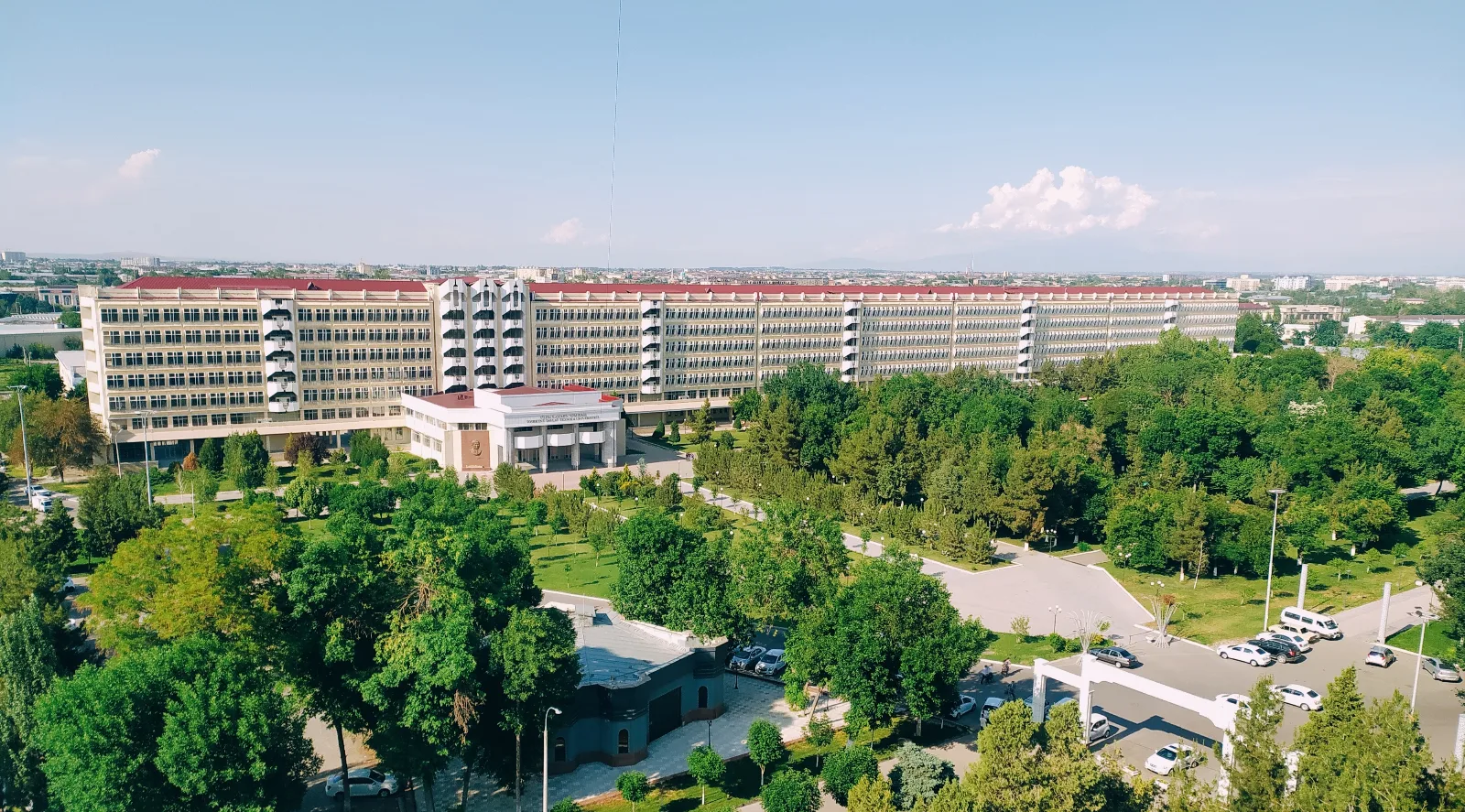
Tashkent State Technical University named after Islam Karimov (Tashkent State Technical University) (named after Islam Kariomov since 2017), (named after Beruni in 1973-2017) is one of the largest technical universities in Central Asia. Today, there are 8 faculties: Mechanics, Mechanical Engineering, Engineering Technologies, Geology-Exploration and Mining-Metallurgy, Electronics and Automation, Electric Power, Heat Power, and Oil and Gas Technologies. Personnel training is carried out for 4 years in bachelor's degrees (76 specialties) and 2 years in master's degrees (77 specialties). The university has 67 departments.
7 academicians of the Academy of Sciences of the Republic of Uzbekistan, 91 doctors of science, 284 candidates of science and candidates of science, more than 500 senior teachers and assistants work in them. About 22,000 undergraduate and graduate students study at the university. Today, there are 2 branches of the university: Almalyk branch (Tashkent region, Olmalyk city), Kokan branch (Fergana region, Kokan city).
TDTU offers various undergraduate, graduate and doctoral programs in engineering, technology, natural sciences, and economics. The university is known for its strong emphasis on practical skills and research-oriented education, aiming to prepare students for successful careers in their chosen fields.
Focusing on innovation and modernization, TDTU collaborates with industrial partners and international institutions to promote academic exchange, research collaboration and technology transfer. This approach helps students to get acquainted with real-world problems and opportunities, increasing their competitiveness in the global labor market.
In addition, TDTU strives to foster academic excellence, creativity and entrepreneurship among its students and faculty. The University provides state-of-the-art facilities, laboratories and resources to support teaching, learning and research activities.
In general, Tashkent State Technical University makes a significant contribution to the development of technical education, scientific research and innovation in the region and remains the leading educational institution in Uzbekistan.
For international students
Language Proficiency and Integration: Providing opportunities for language proficiency and integration for international students is extremely important. This facilitates their learning process and enables them to easily integrate into the university community and adapt to the environment. Additionally, the university has departments for "Foreign Languages" and "Practical English" actively operating.
Convenient Living and Study Conditions: To ensure comfortable living and studying for international students, the university allocates separate accommodations for foreign students within the student residential area. Additionally, facilities include:
- Computer labs for continuous development of their knowledge and skills in advancing IT fields;
- Sports facilities for engaging in sports activities of interest and promoting a healthy lifestyle;
- Libraries with extensive resources for reading, research, acquiring information, and exploring new fields of knowledge;
- Educational and scientific laboratories for practical learning, applying theoretical knowledge, and conducting scientific research;
- Green areas within the university campus with accommodation units, serving as places for meaningful relaxation and interaction between international and local students during free time.
These measures aim to provide international students with a conducive environment for language learning, integration into the university community, and comfortable living and studying conditions.
Information about the visa process for Uzbekistan:
🟢 Visa-Free Entry
As of May 2025, Uzbekistan offers visa-free entry for up to 30 days to citizens of over 90 countries, including:
-
Russia
-
All EU countries
-
United Kingdom
-
Canada
-
Australia
-
South Korea
-
Japan, and others
Please check the current list, as it may change over time.
🟡 Electronic Visa (e-visa)
If you're not from a visa-free country, you can apply for an electronic visa:
-
Website: https://e-visa.gov.uz
-
Visa types: Tourist, Business, Transit
-
Validity: 30 days (single, double, or triple entry)
-
Processing time: Up to 3 business days
-
Fee: From $20 to $60 depending on the number of entries
Required documents:
-
Passport (valid for at least 6 months)
-
Digital photo
-
Travel itinerary or hotel reservation (sometimes required)
🔴 Regular Visa (via embassy)
If you're not eligible for an e-visa or plan to stay for a longer period (e.g., study or work), you need to apply at an Uzbek embassy or consulate.
Required documents:
-
Completed visa application form
-
Passport
-
Passport-size photo (3.5×4.5 cm)
-
Invitation letter (if required, from a citizen, company, or university in Uzbekistan)
-
Visa fee payment
The TSTU administration provides partial assistance to international students during the application process. For more information, please contact us via email.
Required Documents for Application to TSTU
Bachelor's Degree Applicants:
-
Passport-sized photo (3×4 cm)
-
High school diploma or certificate
-
Scanned copy of your passport
Enrollment is based on entrance exams provided by TSTU.
Master's Degree Applicants:
-
Academic transcripts
-
Passport-sized photo (3×4 cm)
-
Bachelor's degree diploma or certificate
-
Scanned copy of your passport
Enrollment is based on entrance exams provided by TSTU.
Doctorate Degree Applicants:
-
Academic transcripts
-
Passport-sized photo (3×4 cm)
-
Bachelor's and Master's degree diplomas or certificates
-
Scanned copy of your passport
Enrollment is based on entrance exams provided by TSTU.
For more information, please contact us via email.
International partnerships
The university's international collaboration aims to expand opportunities for students, faculty, and researchers in education, research, and other activities worldwide. The university's collaboration encompasses several important forms:
- Academic Exchange: The university's international partnerships enhance the educational process by providing opportunities for academic exchange, knowledge-sharing, collaborative research, and long-term engagement.
- Scientific Research: International collaborations are crucial for scientific research. Universities engage in joint scientific projects, initiatives, and publications with other institutions and laboratories around the world.
- Student Exchange: Student exchange programs offer opportunities for students to explore various countries and cultures, as well as opportunities for study and internships abroad.
Additionally, the university has entered into bilateral agreements with influential institutions in Asia, Europe, and America. Currently, hundreds of students are sent for study abroad each year through student exchange programs.
The university is a participant in the Erasmus+ program, established by the European Union to strengthen and enhance its international presence. Under this program, collaborative relationships and partnerships with foreign institutions are fostered through various projects. As part of this program, a number of initiatives with international partners have been established to strengthen and expand the university's international presence and capabilities.
Language courses
{{Russian, English, Japanese}}
Opportunities for students
<>
Faculties
The Faculty of Electrical Engineering was established in 1920 as part of the Turkestan State University, and in 1923 the first electrical engineers were trained. Academician A.G. Aleksandrov was the founder of the Faculty of Power Engineering and was a pioneer in the training of power engineering personnel.
Deans in the expansion and development of the Faculty of Energy: professor G.F. Grushkin, A.V. Sorokin, associate professors N.I. Toperverkh, P.V.Karpenko, M.L.Aronov, H.M.Asimov, professors: B.U.Umarov, A.S.Karimov, T.M.Kodirov, K.R.Allayev, O.O.Koshimov, B.Kh. Yunusov, A.A. Alimov, T.Sh. Gayibov and others rendered great service. Since 2015, Professor J.B. Toshov is leading as the dean of the faculty.
Academicians in the development of the energy sector and training of qualified power engineers: H.F. Fozilov, M.Z. Khamudkhanov, T.Kh. Nosirov, R.A. Zoxidov, reporter-member G.R. Rakhimov, professors: K.R. Allayev, B.U.Umarov O.O. Khoshimov, T.M. Kodirov, H.G. Karimov, N.Kh. Bozorov, M. Mukhammadiyev, D.N. Mukhiddinov, M.I. Ibodullayev, associate professor B.Kh. Yunusov and others contributed greatly.
By the 1980s, in connection with the growing need for energy-engineering specialists for the national economy of our country, in 1983, the following faculties of Electric Power and Industrial Power Engineering were established on the basis of the Faculty of Energy. In 1993, the Center of Energy was established on the basis of these faculties, and the vice-rector of the center was prof. K.R. Allayev was appointed.
In 2005, the Faculty of Energy was reorganized based on the decree of the President of the Republic of Uzbekistan. Currently, the composition of the faculty, bachelors in 4 fields and masters in 9 specialties are being prepared.
Under the institute, training courses were organized for the heads of the JSC "Uzbekenergo" and other large enterprises, organizations and engineers.
Scientific and research work at the Faculty of Energy is carried out on the basis of state grants and business contracts with enterprises. Talented students studying at the faculty in all doctoral, master's and bachelor's fields of education are involved in scientific work carried out on the basis of state grants and economic contracts.
All conditions for living and recreation of students have been created in the dormitory of our faculty. A spiritual room regularly operates in the student residence. There are always new newspapers and magazines. Various round talks, events, and meetings are often held in the spiritual room. In our faculty, roundtable discussions are held with well-known scientists, scientists, professors, department heads and dean's staff. In addition, meetings will be held with the students living in the dormitory with the employees of the law promotion bodies and the university management.
In 1921, Professor M.M. Protodyakonov's initiative, a mining department was opened within the technical faculty of the Turkestan State University, and the foundation was laid for training mining engineers for the first time in Central Asia.
In 1930, the Central Asian Research Institute of Geology was established on the grounds of the mining-geological departments and departments of the Central Asian State University, and in 1931 it was transformed into the Central Asian Mining Institute. In 1933, it merged with the construction and energy institutes, and the first three faculties of the Central Asian Industrial Institute were established: mining-geology, construction and energy.
Until 1952, the Faculty of Mining worked as part of the Central Asian Polytechnic Institute for the training of mining and geological prospecting engineers, and in the same year it was divided into the faculties of mining and geological prospecting. These two faculties operated independently until 1996, and in the same year they were united under the status of a single faculty of mining and geology.
In 2016, the faculty was transformed into the Faculty of Engineering Geology and Mining. In 2018, 2 new faculties were established on the basis of this faculty: the faculties of mining and metallurgy and geology-research.
In the position of Dean of the Faculty of Mining, A.S. Uklonsky, S.V. Grigoryans, N.F. Bezobrazova, G'.O. Mavlanov, L.G. Hertman, V.L. Dmitriyev, N.V. Mishchenko, H.M. Maksudov, U.A. Isamukhamedov, I.I. Inogamov, O.D. Rusanova, V.R. Rakhimov, Kh.Kh. Shomirzayev, G.M. Mirsaidov, H.S. Khodjayaev, F.Y. Umarov, O'.F. Nosirov and others worked.
Currently, Ph.D. dot. S.B. Gaibnazarov is working as the dean of the Faculty of Geology-Exploration and Mining-Metallurgy.
In 1978, the Faculty of "Oil and Gas" was established within the Tashkent Polytechnic Institute. 1978-1988, professor Z.S. Ibragimov was the first to head the faculty. In 1988-1994, Ph.D., associate professor M.S. Mirzarakhimov headed the faculty. In 1994-1999, Associate Professor I. Kholismatov was the head of the faculty. 1999-2001 Ph.D., associate professor A.M. Aminov headed the faculty. 2001-2005 Ph.D., associate professor M.S. Mirzarakhimov headed the faculty. 2005-2008 Ph.D., Professor B.A. Aliyev headed the faculty. 2008-2009, Ph.D., associate professor A.M. Aminov headed the faculty. In 2009-2010, professor N. Zayniddinov was the head of the faculty. 2010-2011, Ph.D., associate professor N.N. Mahmudov headed the faculty. 2011-2016 Ph.D., associate professor M.N. Musaev headed the faculty.
With the decision of the President of the Republic of Uzbekistan on improving the activities of the Higher Education Institution on May 2, 2016, the student contingent of the Oil and Gas Faculty of TDTU was transferred to the Tashkent branch of the Russian State Oil and Gas University named after Gubkin, and the activity of the faculty was completed.
After a period of 5 years, i.e. the state order of the President of the Republic of Uzbekistan dated June 22, 2021 "The parameters of admission to higher education institutions of the Republic of Uzbekistan in the academic year 2021/2022 are correct "About" PQ-5157 decision, on August 26, 2021, by decision No. 1 of the Council of ToshDTU and the university's order No. 10/9-05-626 dated 08/31/2021, the Faculty of "Oil and Gas" was established.
After the reorganization of the "Oil and Gas" faculty in August 2021, doctor of technical sciences, professor Orinov Ulug'bek Komiljonovich is working as the dean.
Currently, there are 43 full-time faculty members, including 3 doctors of science, professors, 14 candidates of science, associate professors, 8 senior teachers and 18 assistants. Scientific potential - 40%.
The Faculty of Electronics and Automation of Tashkent State Technical University named after Islam Karimov was established in 1962 as the Faculty of Engineering Physics of Tashkent Polytechnic Institute. In 1972, the Faculty of "Automated Systems Management" was separated from the Faculty. In the organization and development of these faculties and in the training of highly educated engineering personnel in the field of electronics and cybernetics, among the well-known academicians U.A. Aripov, S.V. Starodubtsov, M.Z. Khamudkhanov, V.K. Kabulov, G.R. Rahimov and professor B.U. The Umarovs served. The faculty of "Engineering Physics" was founded in different years by well-known professors B.U. Umarov, G.R. Rahimov, A.K. Shakirov, H.Sh. Sharipov, I.R. Rashidov, academician K.Z.Igamberdiyev, professors N.F.Zikrillayev, A.Nazarov, B.E.Umurzakov, A.O'.Mirisayev, O.O.Zaripov, associate professors K.Abidov, M.Tursunov have been in charge. Rakhimov, Academician N.R. Yusupbekov, Associate Professor V.N. Kogay, Professors P.F. Khasanov and S.S. Kasimov were in charge. Since 2017, the faculty has been headed by candidate of physics-mathematics H.F. Zikrillayev. Today, a total of 1,824 students are studying at the faculty in 9 fields of study and 12 master's degrees, including 1,745 undergraduates, 81 at the master's level, and more than 20 doctoral students. In the 2018-2019 academic year, 3 one student was awarded the "Beruniy" scholarship. The faculty has a total of 8 departments, where more than 100 professors teach. 3 of them are academicians of the Academy of Sciences of the Republic of Uzbekistan (academician N.R. Yusupbekov, academician M.K. Bakhadirkhanov, academician Kh.Z. Igamberdiyev, who have their own scientific school), 20 are doctors of science, 22 are candidates of science. Faculty of Electronics and Automation of the Republic "Uzbekkimyo" JSC, "Foton" JSC, "Artel" JSC, "Biokimyo" JSC, "Maxam Chirchik" JSC, "Maxam Ammofos" JSC, "Navoi Mining and Metallurgical Combine", "Farg Ona Azot JSC, NavoiAzot JSC, Almaliq Mining and Metallurgical Combine JSC, Bukhara and Fergana oil refineries, Shurtan gas-chemical complex, Shurtan, Mubarak, Ustyurt gas processing plants, Dekhkanobodkali Fertilizer Plant, Ustyurt Soda Plant, JSC "Khimavtomatika", JSC "Eriel", JSC "Intel Engineering" JSC prepares specialists in the field of electronics and cybernetics for various industrial enterprises of the economy. The leading countries of the world are the Federal Republic of Germany, Japan , active cooperation with leading universities and scientific research centers of the Russian Federation, the People's Republic of China, the Republic of South Korea and many CIS countries has been established.
Currently, 142 professors and teachers are working in the faculty, including 16 doctors of science, professors, 39 candidates of science, associate professors. Scientific potential is 39%.
There are 7 bachelor's degree courses at the faculty: Materials science and technology of new materials; Metal technologies (pressure treatment of metals); Metal technologies (rolling technology); Metal technologies (foundry technologies); Technological machines and equipment (refrigeration engineering); Technological machines and equipment (production of household appliances and equipment); Bachelor's and 9 master's degrees in welding technology and equipment: Materials science and materials technology; Metallurgical machines and equipment (repair production); Metallurgical machines and equipment (foundry); Pressure treatment of metals (rolled production of metals); Pressure treatment of metals (metal processing); Machines and aggregates of cooling, cryogenic equipment and moderation systems; Foundry production technology; Powder metallurgy, composite materials, coatings; Master's degrees in welding production technology and equipment are being prepared.
Scientific and research work at the Faculty of Mechanics is carried out on the basis of state grants and business contracts with enterprises. Talented students studying at the faculty in all doctoral, master's and bachelor's fields of study are involved in scientific work performed on the basis of state grants and business contracts.
As part of the spiritual and educational work carried out at the faculty, roundtable discussions are held with famous scientists, scientists, professors, heads of departments and employees of the dean's office.
All conditions for living and recreation of students have been created in the 56th student residence belonging to the faculty. A spiritual room regularly operates in the student residence. Various round talks, spiritual-educational, cultural recreation events, meetings are held in the spiritual room. In addition, meetings are held with the students living in the student accommodation, with the employees of the IIB and the university management.
Fields of study
| Artificial Intelligence 60610500 | Bachelor |
| Artificial Intelligence 70610501 | Master's |
| Automation of technological processes and production 60710900 | Bachelor |
| Biotechnology 60710200 | Bachelor |
| Biotechnology 70710201 | Master's |
| Biotibbiyot muhandisligi 60711100 | Bachelor |
| Civil engineering 60730300 | Bachelor |
| Design 60210400 | Bachelor |
| Electric insulation and cable equipment 70710502 | Master's |
| Electrical Engineering 70710407 | Master's |
| Electronics and instrumentation 60710700 | Bachelor |
| Field of study: Hydropower 60710600 | Bachelor |
| Geology, Exploration, and Prospecting of Oil and Gas Fields 70720902 | School College Bachelor Master's Foundation Programmes |
| Information and communication technologies 60610100 | Bachelor |
| Iqtisodiyot 60410100 | Bachelor |
| Korporativ boshqaruv 70410804 | Master's |
| Labour Protection and Technical Safety 61020200 | Bachelor |
| Management. 60410800 | Bachelor |
| Oil and gas business 60721100 | Bachelor |
| Oil and gas industry technology 60720600 | Bachelor |
| Qayta tiklanuvchi energiya manbalari | Bachelor |
| Radioelektron qurilmalar va tizimlar | Bachelor |
| Robototexnika 70711002 | Master's |
| Technological machinery and equipment 60720400 | Bachelor |
| Technology of storage and processing of agricultural products. 60810700 | Bachelor |
| Vehicle engineering (by type) 60711400 | Bachelor |
| Vehicle engineering. 70711401 | Master's |
Programmes
All programmes →
Tashkent State Technical University named after Islam Karimov
Korporativ boshqaruv
17 794 000 so'm
per year
Tashkent State Technical University named after Islam Karimov
Vehicle engineering (by type)
15 252 000 so'm
per year
Tashkent State Technical University named after Islam Karimov
Electric insulation and cable equipment
17 794 000 so'm
per year
Tashkent State Technical University named after Islam Karimov
Management.
15 252 000 so'm
per year
Tashkent State Technical University named after Islam Karimov
Iqtisodiyot
15 252 000 so'm
per year
Tashkent State Technical University named after Islam Karimov
Qayta tiklanuvchi energiya manbalari
15 252 000 so'm
per year
Tashkent State Technical University named after Islam Karimov
Labour Protection and Technical Safety
15 252 000 so'm
per year
Tashkent State Technical University named after Islam Karimov
Neft va neft-gazni qayta ishlash texnologiyasi
15 252 000 so'm
per year
Tashkent State Technical University named after Islam Karimov
Oil and gas business
15 252 000 so'm
per year
Tashkent State Technical University named after Islam Karimov
Technological machines and equipment.
15 252 000 so'm
per year
Tashkent State Technical University named after Islam Karimov
Biotibbiyot muhandisligi
15 252 000 so'm
per year
Tashkent State Technical University named after Islam Karimov
Technology of storage and processing of agricultural products.
15 252 000 so'm
per year
Notable alumni
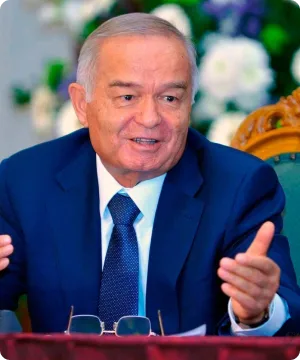
Islam Abduganievich Karimov
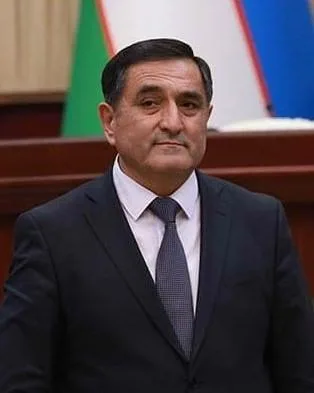
Botir Erkinovich Zokirov
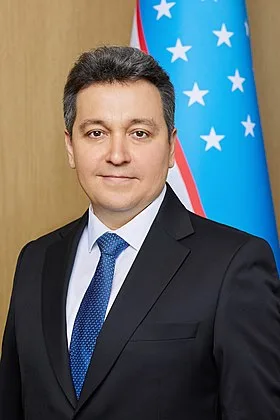
Sherzod Khotamovich Shermatov
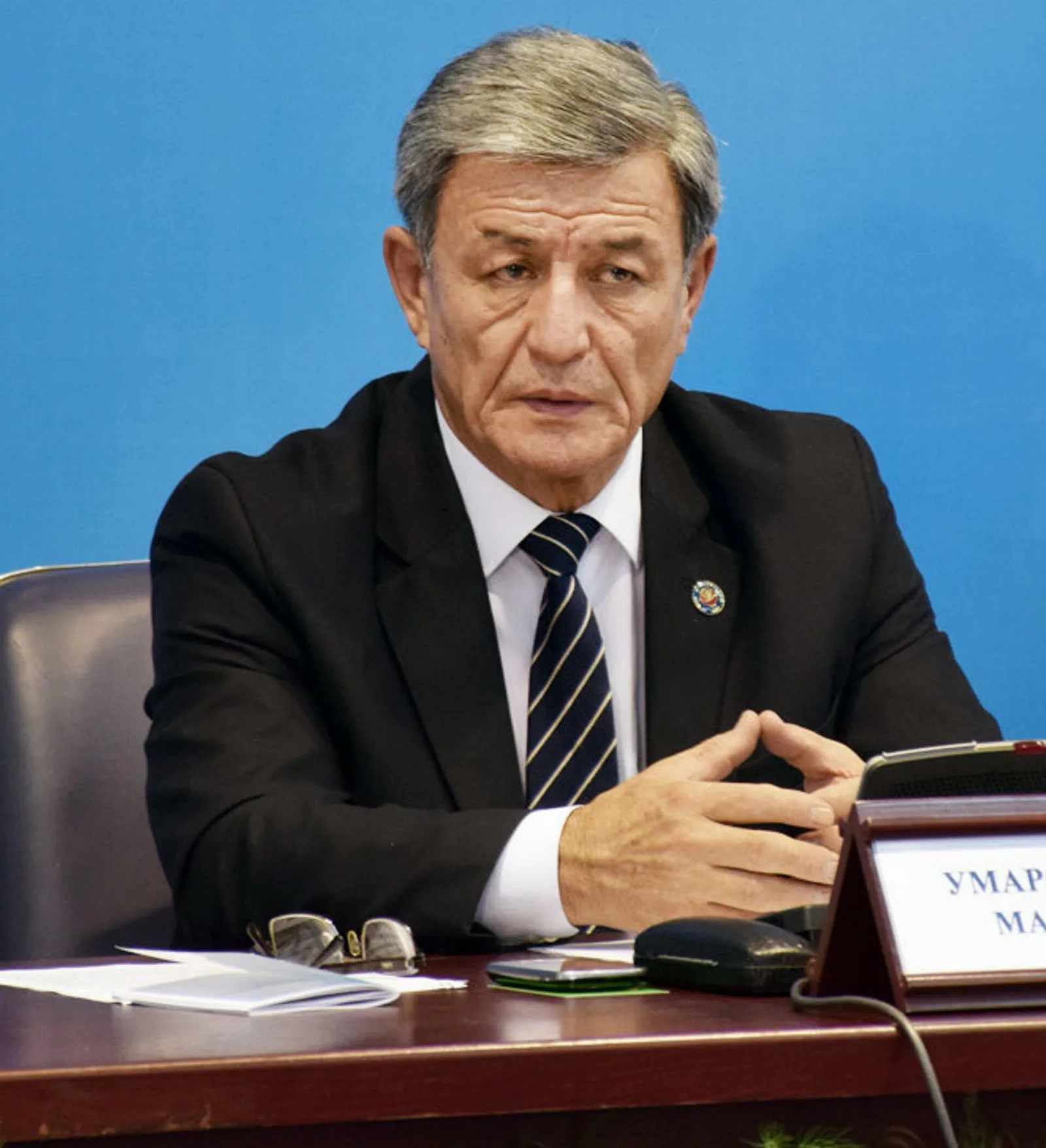
Narimon Majitovich Umarov
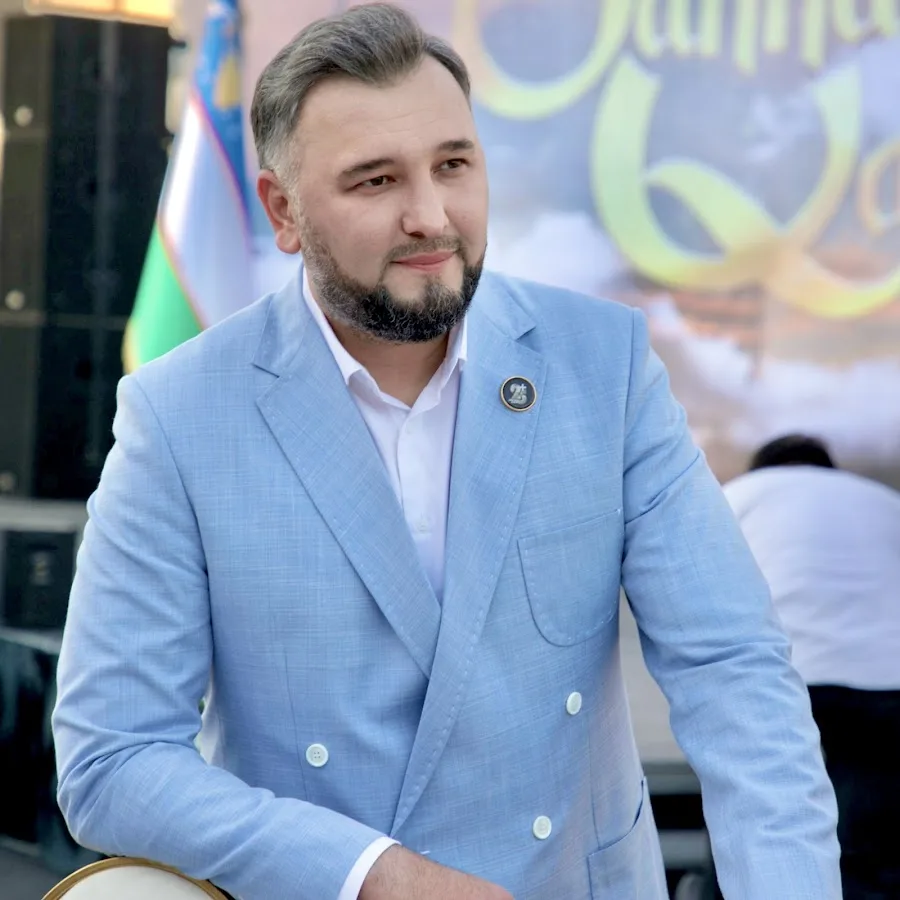
Sardar Rahim Khan
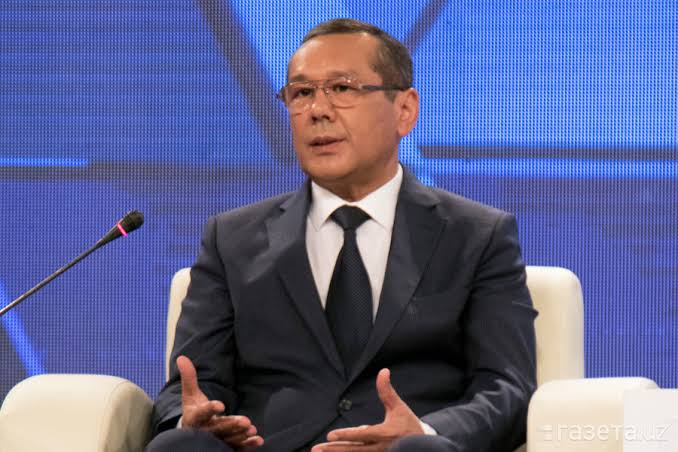
Ulugbek Ilyasovich Inoyatov
Student reviews
Yigitaliyev Jaloliddin