Uzbekistan State Institute of Arts and Culture
4,310
Students
4
International students
302
Teaching staff
4
Faculties
12
Departments
2012
Founded
Video and photos
About the university
Uzbekistan State Institute of Arts and Culture is a state educational institution functioning in the sphere of professional education and having rights to hand state diplomas out for both bachelor and magistracy graduates about getting higher education.
The present institute was founded in accordance with the decree of the President of the Republic of Uzbekistan №1771, 4 June 2012, on the base of Tashkent State Institute of Culture and Uzbekistan State Institute of Arts.
Being considered a unique higher educational establishment it prepares specialists on wide professional trends directly relating to art and culture. There is an organic connection in science and art, creative activity and practical technology in it. The trainings are held in 26 education directions, 19 specialties and all these are carried by 4 faculties and 21 chairs. So, the institute provides specialists in the sphere of actors` and directors` skills, science art and theatre critics, folk creative art, sound directing and cameramen’s skills, management of art and cultural establishments, library and information studies, etc.
Nowadays more than 5380 students of bachelor and magistracy departments are educated at the institute. High level of teaching process is conducted by 336 teachers; among them 52 professors, 93 assistant professors (dotsents), 40 teachers having honored titles in the field of science, education, art and culture.
The institute’s international relations have been developing rapidly in recent years. Only during 2023, memorandums of cooperation were signed with a number of foreign universities in Turkey, Russia, Kyrgyzstan and South Korea. An exchange of teaching staff and students has been established with these educational institutions, and the teachers of the institute have the opportunity to regularly improve their qualifications.
In 2017, in the national ranking according to the National Rating System, the institute took 54th place out of 57 universities, in 2018 – 24th place, in 2019 – 32nd place, in 2020 – 45th place and 50th place in 2021 out of 63 universities of the Republic. At the end of 2022, the institute took 46th place among 98 higher educational institutions. In addition, the institute ranks 2nd among higher educational institutions in the field of culture and art. The Fergana regional branch of the institute took 2nd place in 2022, the institute’s branch in Nukus took 3rd place.
The educational process involves modern information technologies, multi-media technical and program sources which are actively put into practice. The educational work is carried in tight interaction with cultural establishments.
One of the most important places in the work of the institute is its artistic creative activity. The institute has a number of students` creative groups and studios which take an active part in various festivals and contests.
The institute has its own newspaper “Ijodiy parvoz” (“Creative Flight”), the pages of which reflect every event happening in the life of the institute and exciting students` and teachers` stuff.
A large and rich fund of the Information Resource Center containing more than 100 thousand titles of literature is in favour of students and teaching stuff. The fund includes a great number of rare and unique publications related to the professional activity of the institute. The working stuff of the fund tries to do their best to carry on works to form electronic educational sources.
There is a Branch Center of teacher training courses attached to the institute and the main aim of which is retraining the teachers and specialists of higher and secondary educational establishments in the sphere of art and culture.
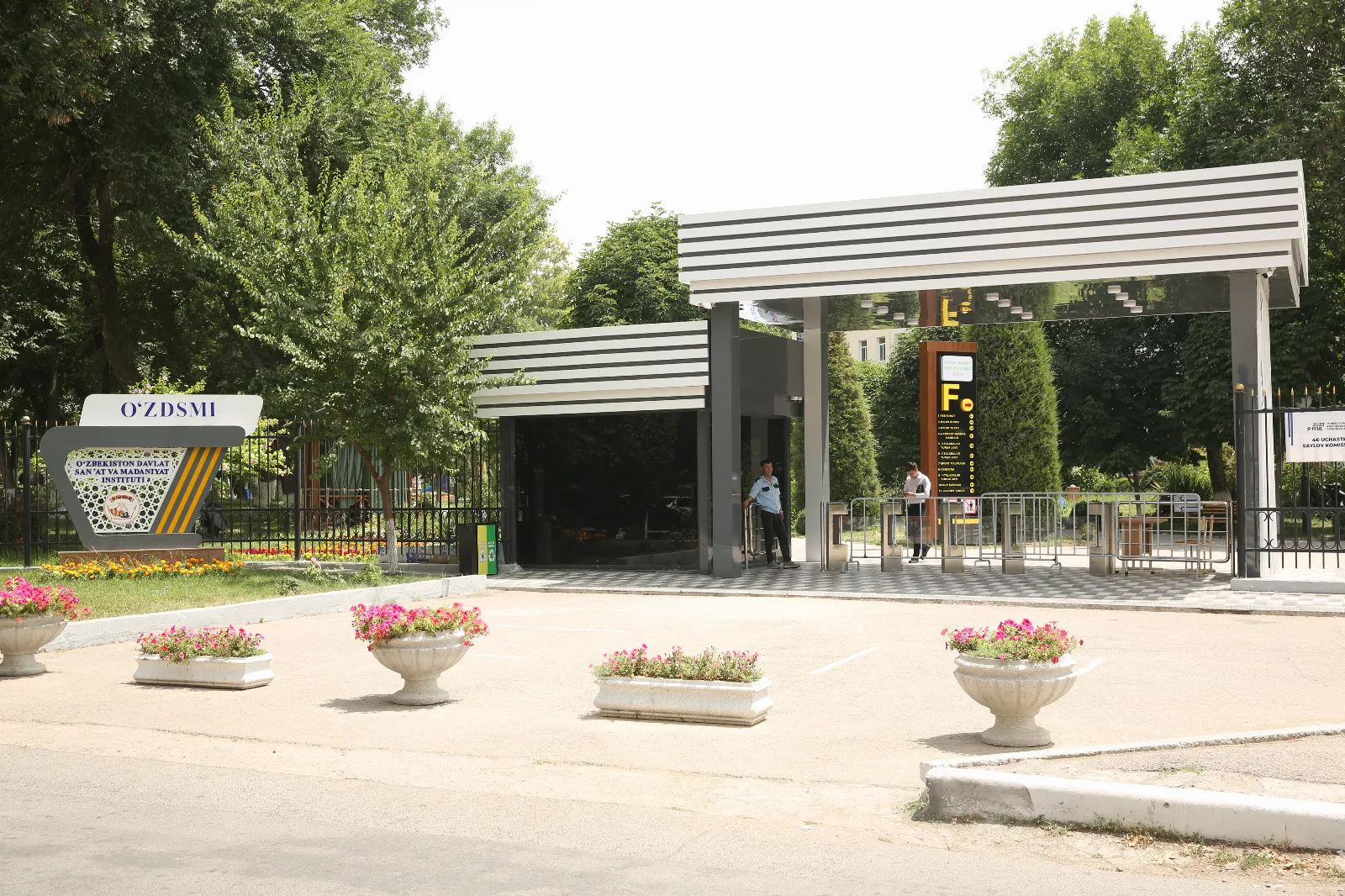
Since constructing new buildings and reconstructing old ones existed before completed the institute has become the owner of unique educational campus where were erected buildings for creative studios, educational theatre and Information Resource Center. Besides, in the territory of the institute there is a building for training classes, administrative building and students` hostel, sport complex, covered swimming pool and open sport grounds.
The Uzbekistan State Institute of Arts and Culture being a young and dynamically developing higher educational institution is a skillful combination of traditional teaching methods with innovative approaches in its activity.
For international students
19. STD .Student entry visa (on the basis of exchange between higher educational institutions - for the period of temporary study)
Issued for a period of up to 1 year to foreign students studying at higher educational institutions located in the territory of the Republic of Uzbekistan for a short period (on the basis of exchange between higher educational institutions or on a temporary basis within the framework of interaction between higher educational institutions), and is issued upon the requests of educational institutions, ministries, departments and organizations of the Republic of Uzbekistan that have an educational institution under their jurisdiction.
20. А-1
Student entry visa (on a permanent basis - for the period of study)
Issued for a period of up to 1 year to foreign students studying at educational institutions located in the territory of the Republic of Uzbekistan, and is issued upon the requests of educational institutions, ministries, departments and organizations of the Republic of Uzbekistan that have an educational institution under their jurisdiction.
International partnerships
UzSIAC is a supporter of establishing and developing cooperation with leading educational institutions in Central Asia and abroad. We understand the importance of international collaboration and what we need to do to give students the best global experiences. The Institute has signed cooperation agreements and memoranda with approximately 80 foreign higher education institutions.
Active cooperation has been established with these organizations in various areas, in particular lectures by foreign specialists, practical classes and round tables, participation in research projects and discussions of dissertations, cooperation on grant programs, exchange of teaching staff, young researchers, advanced training courses, master classes and conferences, and online lectures organized for students of the institute.
Language courses
English language courses are available at the Uzbekistan State Institute of Arts and Culture. These courses are designed to help learners master English, develop their speaking and writing skills, and prepare for international language certification exams. Classes are conducted by qualified specialists using modern teaching methods. Particular attention is paid to grammar, listening comprehension, reading, writing, and communication skills. Students, faculty members, institute staff, and anyone interested in learning English are welcome to participate. The courses provide excellent opportunities for learning foreign languages and for active participation in international educational and research projects.
Opportunities for students
INFORMATION on students of the Uzbek State Institute of Arts and Culture
awarded with state scholarships named after the President of the Republic of Uzbekistan for the 2024/2025 academic year
Khayriddinova Asal Farhod kizi, 4th year student of the Department of Organization and Management of Cultural and Art Management Institutions. Winner of the State Scholarship of the President of the Republic of Uzbekistan for the 2024-2025 academic year. About forty scientific and creative works, articles have been published in international and republican journals, collections. Samiev Bakhtiyor Norbabo oglu, 3rd year student of the Department of Organization and Management of Cultural and Art Institutions. Winner of the State Scholarship named after Islam Karimov for the 2024-2025 academic year. About forty scientific and creative works, articles have been published in international and republican journals, collections. Ortiqboyeva Oqila Shukurjon qizi, 4th year student of the Department of Organization and Management of Cultural and Art Institutions. Winner of the Navoi State Scholarship in the 2024-2025 academic year. More than thirty scientific and creative works, articles have been published in international and republican journals, collections. Writes poetry, is an artist. Holder of the Muhammad Yusuf badge and scholarship, participant of the "Leader of the CIS" international scientific competition.
Ikromova Madina Sherzod qizi, 3rd year student of the Department of Organization and Management of Cultural and Art Institutions. Winner of the Navoi State Scholarship in the 2024-2025 academic year. More than twenty scientific and creative works, articles have been published in international and republican journals, collections. Irgashova Dildora Mamurjon kizi, 4th year student of the Library and Information Sciences Department. Winner of the Navoi State Scholarship in the 2024-2025 academic year. More than twenty scientific and creative works, articles have been published in international and republican journals, collections.
Faculties
Departments under the faculty:
Department of "National Singing";Department of "Folklore and Ethnography";Department of "Culture and Arts Management";Department of "Cultural Studies";
Brief history of the faculty:
The Faculty of Folk Art was established in accordance with the Resolution of the First President of the Republic of Uzbekistan I.A. Karimov dated June 4, 2012 No. 1771 “On the Establishment of the State Institute of Arts and Culture of Uzbekistan”. The faculty conducts its activities in accordance with the Constitution of the Republic of Uzbekistan, the Law “On Education”, the “National Program for Personnel Training”, decrees and resolutions of the President of the Republic of Uzbekistan aimed at improving the quality of education and upbringing, resolutions and orders of the Cabinet of Ministers, resolutions of the Oliy Majlis, the Strategy of Actions on Five Priority Areas of Development of the Republic of Uzbekistan in 2017-2021, the Program for the Comprehensive Development of the Higher Education System in 2017-2021, as well as regulatory documents from higher organizations and the Charter of the faculty. The Faculty of Folk Art trains qualified personnel for the cultural and artistic spheres of our republic. The main tasks of the faculty are as follows: − To prepare highly qualified specialists who meet modern requirements in the field of culture and art, are able to preserve and develop the traditions of folk art, master modern methods of artistic creation, innovative techniques and technologies, preserve and increase cultural and spiritual wealth, develop artistic creativity with its own characteristics based on the rich cultural and historical heritage of our people and the harmony of national and universal values; − To ensure the high level of the educational process, using modern forms and methods of teaching, advanced pedagogy, innovation and information and communication technologies, electronic information resources, including the Internet, and to educate young people in the spirit of patriotism and devotion to the national idea, as spiritually high and comprehensively developed individuals with a broad worldview and independent thinking. Bachelor's degree programs:
60211800 - Production in the field of art60211900 - Folk art (folklore and ethnography)60211900 - Folk art (singing and dancing)60212000 - Organization and management of cultural and artistic institutions60411200 - Management (management of the field of culture and art)
Master's degree programs:
70211901 - Folk art (folklore and ethnography)70211901 - Folk art (singing and dancing)70211901 - Folk art (instrumental performance)70212001 - Management of the field of culture and art70212002 - Cultural studies
Faculty:
Currently, the faculty has 13 professors, 25 associate professors, There are 23 senior teachers and 44 teachers working at the school. In particular, the Honored Artist of Uzbekistan, Professor Jora Shukurov, People's Commissars of Uzbekistan Orolmirzo Safarov, Beknazar Dostmurodov, Honored Artists of Uzbekistan Ulmas Rasulov, Ahmadjon Dadayev, Rustam Abdullayev, Dilmurod Islamov, Erkin Rakhimov, Doctor of Sociology, Professor Abdusalom Umarov, Doctor of Philosophy, Professor Sayyora Tuychiyeva, Doctor of Art History, Professor Okilkhon Ibrohimov, Doctor of Philology, Professor Jappor Eshonkulov, Doctor of History, Professor Adxamjon Ashirov, Professors Kadir Mirzayev, Urazali Toshmatov, Sobir Jumayev, Tohir Yuldoshev, Associate Professors Sevar Malikova, Olga Vasilchenko, Mirmuhsin Gafurov, Sobir Turatov, Mansur Mamirov, Oygul Ahmedova, Hamza Shodiev, Azamat Haydarov, Vakhobjon Rustamov, Manzura Yuldasheva, Dilafruz Yusupalieva, Antonina Koshelova, Musallam Abdujabborova, Aziz Khotamov, Shoira Ramazanova, Hamdamjon Ismoilov, Sevara Mahmudova, Guzalkhon Isakova, winners of republican and foreign competitions Komiljon Shermatov, Yusuf Vakhidov, Zulfiya Muminova, Khurshid Beknazarov, Ayap Otegenov, Gulzoda Khudoynazarova, Uktam Rasulov and other specialists work here. Our beloved artists are F.Zokirov, O.Otajonov, N.Abdullaeva, Sh.Sultonov, G.Boytoyev, M.Kholikov, O.Sultonov, O.Safarov, M.Azimov, F.Solikhova, M.Tokhtasinov, K.Rakhmonov, N.Madrakhimova, Z.Madrakhimova, G.Aminova, R.Sultonova, G.Nizomova, B.Sultonov, Qalandar Bakhshi, It is worth noting that the names of Norboy Bakhshi, Andrey Petrovets, V.Baramikov, I.Farmonov, L.Moskalyova, A.Aliyev, A.Qosimov, A.Ganiyev, S.Mominov, A.Sanayev, D.Ubaydullayev, T.Jabbarov, Y.Mominov, Q.Madaliev are closely related to the activities of the faculty.
International cooperation:
The faculty cooperates with the Chelyabinsk State Academy of Culture and Arts, the Kazan State Institute of Culture.
Cooperation with enterprises and organizations:
The faculty cooperates with the Institute of Art Studies, the Scientific and Methodological Center for the Organization of the Activities of Republican Cultural Institutions, the Scientific and Practical Center for National Ideas and Ideology, the Creative Union of Artistic Communities of Uzbekistan
Departments under the faculty:
Department of "Musical Theater Art";
Department of "Dramatic Theater and Film Art";
Department of "Variety and Public Performance Art";
Department of "Art of Puppet Theater";
"Stage movement and physical culture" department;
Department of "Stage speech";
"Vocal" department.
Brief history of the faculty:
On the basis of the decision of the President of the Republic of Uzbekistan "On the establishment of the State Institute of Art and Culture of Uzbekistan" dated June 4, 2012 No. 1771, the faculty of "Theatre Art" was established. Since the establishment of the faculty, Shodiyev Hamza Kholikulovich (04.06.2012-11/11/2013), Ismailov Riksillo Hamidovich (11/11/2013-10/09/2015), Abdullayev Doniyor Dolimovich (10.09.2015-11.11.2015) led.
Over the past period, the faculty has been training qualified personnel in the fields of "Acting Art" (by types) and "Directing" (by types). To date, in the departments of specialization, well-known and leading representatives of Uzbek theater and film art, People's Artists of Uzbekistan Shuhrat Abbasov, Turgun Azizov, Khairulla Sa'diyev, Erkin Komilov, Honored Artist of Uzbekistan Olimjon Salimov, Boir Kholmirzayev, the honored artist of Uzbekistan, trained actors and directors for the national theater and cinema.
The faculty carries out personnel training separately from production (daytime).
Areas of undergraduate education:
60211100 - Acting art (by types): dramatic theater and film acting, musical theater acting, puppet theater acting, pop acting;
60211200 - Directing (by types): directing puppet theater, directing pop and public performances, directing musical theater, directing dramatic theater;
60211700 – Grimm art;
60723100 - Doll production technology.
Master's specializations:
70211001 – Theater art;
70211101 – Acting art (by types);
70211201 – Directing (by types).
Faculty members:
Currently, directors of professional theaters and well-known actors of the city of Tashkent are teaching in the specialized departments of the faculty. Merited artist of Karakalpakstan Arsen Ismailov, Merited youth coach of Uzbekistan Professor Minavvara Abdullayeva, Maryam Ashurova, Hamida Mahmudova, Isoqtoy Jumanov, Merited cultural worker of Uzbekistan Heydarali Kasimov, Merited worker of Uzbekistan Honored artists include Narziddin Shermatov, Rahimov Erkin, Nodira Mahmudova, Fathulla Khojayev, Shomurod Yusupov, and Ro'dakiy Allanbayev, an artist who served in Karakalpakstan.
Also at the faculty are Professor Sherzod Pirmatov, Kadir Mirzayev, Candidates of Art Studies Gozal Khalikulova, Marina Yusupova, Temur Rashidov, Associate Professors Zamira Ahmedova, Feruza Jalilova, Mahsuma Khodzhimatova, Farhod Ahmedov, Jahongir Mamatqasimov, Ramz Kadirov, Ernazar Yorbekov, Azam Abdukhalilov. and a team of experienced leading professors and teachers such as Venera Yusupova.
Work with young specialists is established within the faculty. Also, in order to strengthen the scientific potential of the faculty's professors and teachers, scientific-methodological seminars, roundtable discussions with famous scientists and specialists are organized, scientific lectures are listened to and modern interactive methods of education are discussed and studied.
International cooperation:
Innovative collaborations with foreign art schools have also been established at the faculty: for example, meetings, master classes, introductions, conversations and dialogues with visiting leading specialists from England, Germany, Russia, and South Korea are regularly organized.
Cooperation with enterprises and organizations:
Talented students:
Many state scholarship holders, winners of state awards, winners of international and national competitions have studied at the faculty.
The educational process at the Faculty of "Theatre Art" is carried out in an effort to fully meet the requirements of today's times. For this purpose, professors and teachers teaching the secrets of art to students in foreign countries are being trained, and this will undoubtedly bear fruit in the future.
COMMUNICATION
UzDSMI is an INDEPENDENT STATE
INSTITUTE OF ART AND CULTURE
Address: Tashkent sh., Republic of Uzbekistan. 127 "A" house, Yalangoch district, Mirzo Ulugbek district. 100164
Phone: (71) 230-28-02
Fax: (71) 230-28-15
OUR ADDRESS
BASIS
The faculty of "Library Studies" was established in 1974 under the Tashkent State Institute of Culture, and it was headed by Doctor of Philology, Professor Jalolov Gayrat Oripovich. There were 3 chairs under his design. The head of the "Library Studies" department is Professor Kasimova Asiya Govorovna, Doctor of History, the head of the "Bibliography" Department is Professor Vulis Abram Zinovyvech, the Doctor of Philological Sciences, the head of the "Library Collections and Catalogs" department Rahimova Malakhat Asadivna. Later, the 4th department was opened, the head of the department "Technical tools, informatics and HZTA" Rasulov Tursunboy Fayziyevich. In the following years, doctor of philological sciences, professor Egamov Khudoibergan Egamovich, associate professors O. Kelganov, A.T. Tolaganov, Sh.M.Shamsiyev, U.F.Karimov were leaders. Since 2001, the name of the faculty has been changed to "Library and Information Management". In the following years, specialists in the field of "Librarianship and Information Systems" were trained at the faculty. Those who completed it were trained as "librarian bibliographer", "archivist", "bibliophile" and specialists intended to work in the position of administrator.
Until 2012, when the faculty was transferred to the Tashkent University of Information Technologies, 4 departments operated. "Library Science" employees who worked as part of it mainly studied the theoretical issues of librarianship and created textbooks, training manuals, methodical instructions on the history of librarianship. Doctor of science O. G. Kasimova, E. O. Okhunjanov worked in the department. O. G. Kasimova mainly conducted scientific research on the history of librarianship and created theoretical and textbook literature on the subject of general librarianship. E. O. Okhunjonov has prepared textbooks, monographs, training manuals on the organization of librarianship, bibliographic works in Central Asia and Uzbekistan. A.I. Kormelitsyn, I.M. Troiskaya, M.M. Rasulov, M.Kh. Mahmudov, A.P. Kavalenka, B.I. Ganiyeva, who worked as an associate professor of the department, prepared scientific books, textbooks and training manuals for the specialists who conducted research in the field.
At the "Bibliography" department, Turopov M.M., Shamsiyev SH.M., Mamatrayemova H., Shumonova N.P. and a number of other scientists worked. Scientists who studied the formation and development of the bibliography of Uzbekistan, candidates of pedagogical sciences SH.M. Shamsiyev M.M. Turopovs are considered. Sh.M., who graduated from it in 1965. Shamsiyev started working as a teacher at the department of specialization. Due to his interest in the profession, the young specialist was able to quickly gain a place among the teachers of the department. We can show that Sh.M. Shamsiyev always combined scientific activity with pedagogical activity. During his postgraduate studies, he published articles such as "Nekotoriye voprosi retrospectivenoy bibliografii periodiki dorevolyusionnogo Turkestana (1870-1917 gg.)" and "Problema izucheniya periodicheskoy pechati dorevolyusionnogo Turkestana" in 1974.In 1974, Musa Mamatovich Turopov defended his dissertation on the topic "Formation and development of the bibliography of literature about Uzbekistan" at the library science and bibliography awarding council of the Leningrad State Institute of Culture. Musa Mamatovich Turopov was succeeded by N.P. Shumanova, M.K. Mirzakhmdova, T.D. Bayturayev, G.A. probably also motivated them to enter postgraduate studies at this department. Studying here and studying bibliographic activities became the basis for his formation as a mature specialist in the bibliography of Turkestan and Uzbekistan.
In 2017, the admission of students to the field of training specialists in bibliographic bibliography was started at UzDSMI.
Students were admitted to the department of information libraries for Uzbek and Russian groups. For the 2018-2019 academic year, students on the training of traditional librarians and bibliographers have begun to be accepted for this direction.
On September 3, 2019, by the order of the Rector of the State Institute of Art and Culture of Uzbekistan No. 57/1-PO, the Faculty of "Library Information Activities" was established at the institute.
Since 2012, the Faculty of Cinema, Television and Radio Art has been operating on the basis of the State Institute of Art and Culture of Uzbekistan. Currently, more than 1230 students study. The faculty conducts its activities in accordance with the legal and regulatory framework in force in the Republic of Uzbekistan, including the Law of the Republic of Uzbekistan "On Education", "National Program of Personnel Training", activities of higher education institutions. implements based on other regulatory documents, the Regulations of the State Institute of Art and Culture of Uzbekistan and the Regulations of the faculty.
The main activities of the faculty relate to the educational directions of "Art Studies", "Technogenic Art", "Directing" ("Theatre Studies", "Dramaturgy of Stage and Screen Art", "Criticism and Analysis of Film Art" , "Cinema-television operator", "Film and television directing, "Film, television and radio sound directing", "Animation and multimedia design in art) teaching students in the fields, organic and harmonious educational processes training of scientific (creative)-pedagogical personnel, as well as scientific-research (creative) work in departments.
The Faculty of "Cinema, Television and Radio Arts" was founded in 1997, and at that time only more than 50 students studied. Between 2005 and 2012, it was managed under the name of the Faculty of "Art Studies and Technogenic Art".
For many years, the faculty of "Art history and man-made art" was headed by the candidate of art sciences, associate professor Abdumannon Ubaydullayev, and later the candidate of philological sciences, associate professor Ramazanova Shoira Riksibayevna.
From 2012 to 2017, the faculty named "Cinema, Television and Radio Art" was headed by Zoya Yernazarovna, candidate of philosophy, associate professor Arislanbayeva, technical sciences candidate, Fayziyev Torabek Raufovich, associate professor Rustamov Vahabzhan Kiyamovich as dean.
Fields of study
| Acting: Acting in Puppet Theatre 70721501 | Bachelor Master's |
| Acting: Dramatic Theater and Film Acting 60211100 | Bachelor Master's |
| Acting: Musical Theatre Acting 60211100 | Bachelor Master's |
| Acting: Variety Acting 60211100 | Bachelor Master's |
| Art History: Criticism and Analysis of Film Art 6021100 | Bachelor |
| Art history (stage and screen dramaturgy) 60211000 | Bachelor |
| Art history: art journalism 60211000 | Bachelor |
| Art studies: theater studies 6021100 | Bachelor |
| Cinematography 60210200 | Bachelor Master's |
| Conducting: conducting an academic choir 60211300 | Bachelor |
| Cultural Studies 60211800 | Master's |
| Directing (musical theater directing) 60211200 | Bachelor |
| Directing: Directing of Drama Theatre 60211200 | Bachelor Master's |
| Directing: Puppet Theatre Directing 60211200 | Bachelor Master's |
| Directing: film and television directing 6021120 | Bachelor Master's |
| Field of study: Acting art (by types) 60211100 | Bachelor Master's |
| Field of study: Folk art (Folklore and ethnography) 60211900 | Bachelor Master's |
| Folk art (singing and dancing) 60211900 | Bachelor Master's |
| Folk art: instrumental performance 70211701 | Master's |
| Human resource management 60411000 | Bachelor |
| Library information activities 60320400 | Bachelor Master's |
| Management (by sectors and industries) 60411200 | Bachelor |
| Management and Administration of Cultural and Art Institutions 60212000 | Bachelor |
| Management in the field of culture and art 70212001 | Master's |
| Management. 60410800 | Bachelor |
| Technogenic art: film, television and radio sound direction 6021010 | Bachelor |
| Theater arts 70211001 | Master's |
| Theory and history of art (film studies) 70211003 | Master's |
| Tool ment performance (folk instruments) 60211500 | Bachelor |
| Tourism and Hospitality 61010100 | Bachelor |
Programmes
All programmes →
Uzbekistan State Institute of Arts and Culture
Tourism and Hospitality
8 950 000 so'm
per year
Uzbekistan State Institute of Arts and Culture
Management.
8 950 000 so'm
per year
Uzbekistan State Institute of Arts and Culture
Library information activities
8 950 000 so'm
per year
Uzbekistan State Institute of Arts and Culture
Cultural Studies
8 950 000 so'm
per year
Uzbekistan State Institute of Arts and Culture
Theory and history of art (film studies)
10 500 000 so'm
per year
Uzbekistan State Institute of Arts and Culture
Theater arts
10 500 000 so'm
per year
Uzbekistan State Institute of Arts and Culture
Art history: art journalism
8 950 000 so'm
per year
Uzbekistan State Institute of Arts and Culture
Art History: Criticism and Analysis of Film Art
8 950 000 so'm
per year
Uzbekistan State Institute of Arts and Culture
Art history (stage and screen dramaturgy)
—
Uzbekistan State Institute of Arts and Culture
Management in the field of culture and art
10 500 000 so'm
per year
Uzbekistan State Institute of Arts and Culture
Field of study: Folk art (Folklore and ethnography)
8 950 000 so'm
per year
Uzbekistan State Institute of Arts and Culture
Library information activities
30 000 000 so'm
per year
Notable alumni
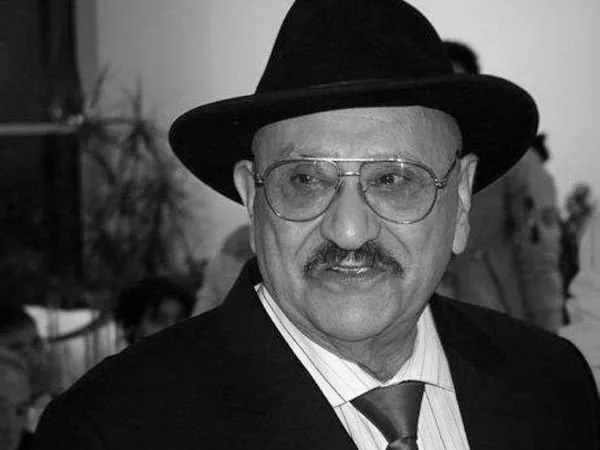
Melis Abzalov
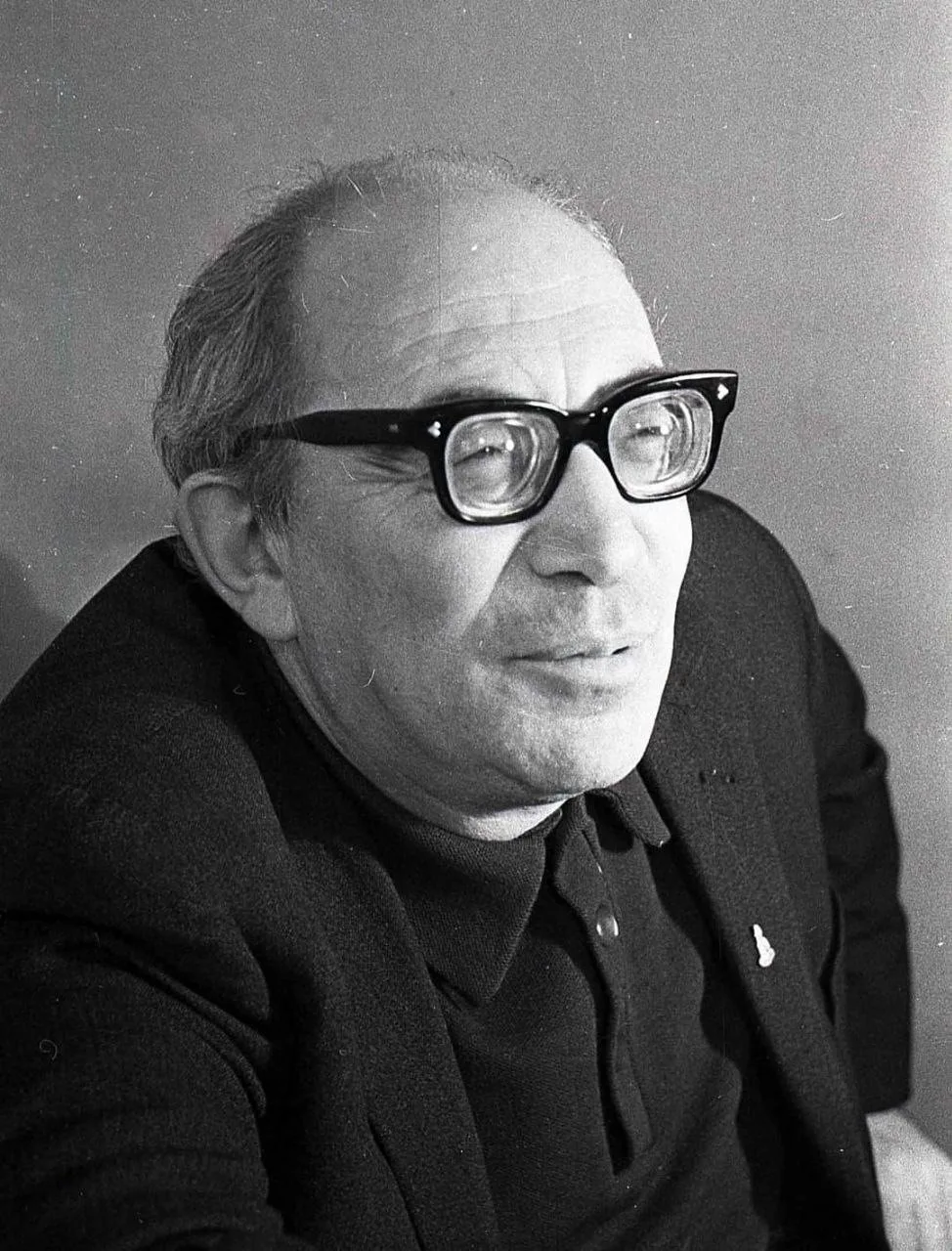
Aleksandr Osipovich Ginzburg
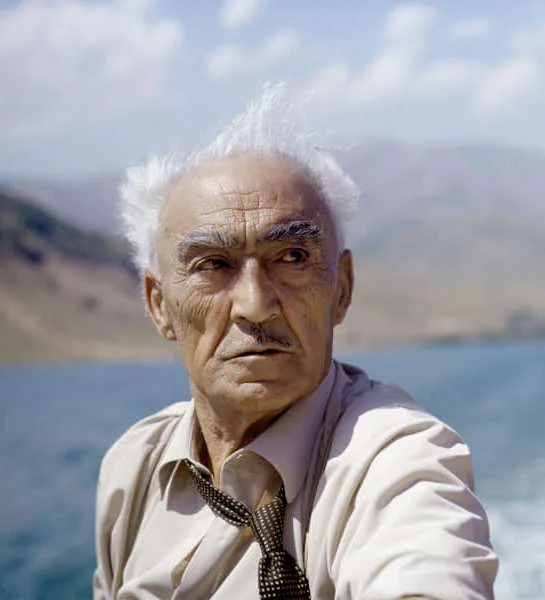
Kamil Yarmatov
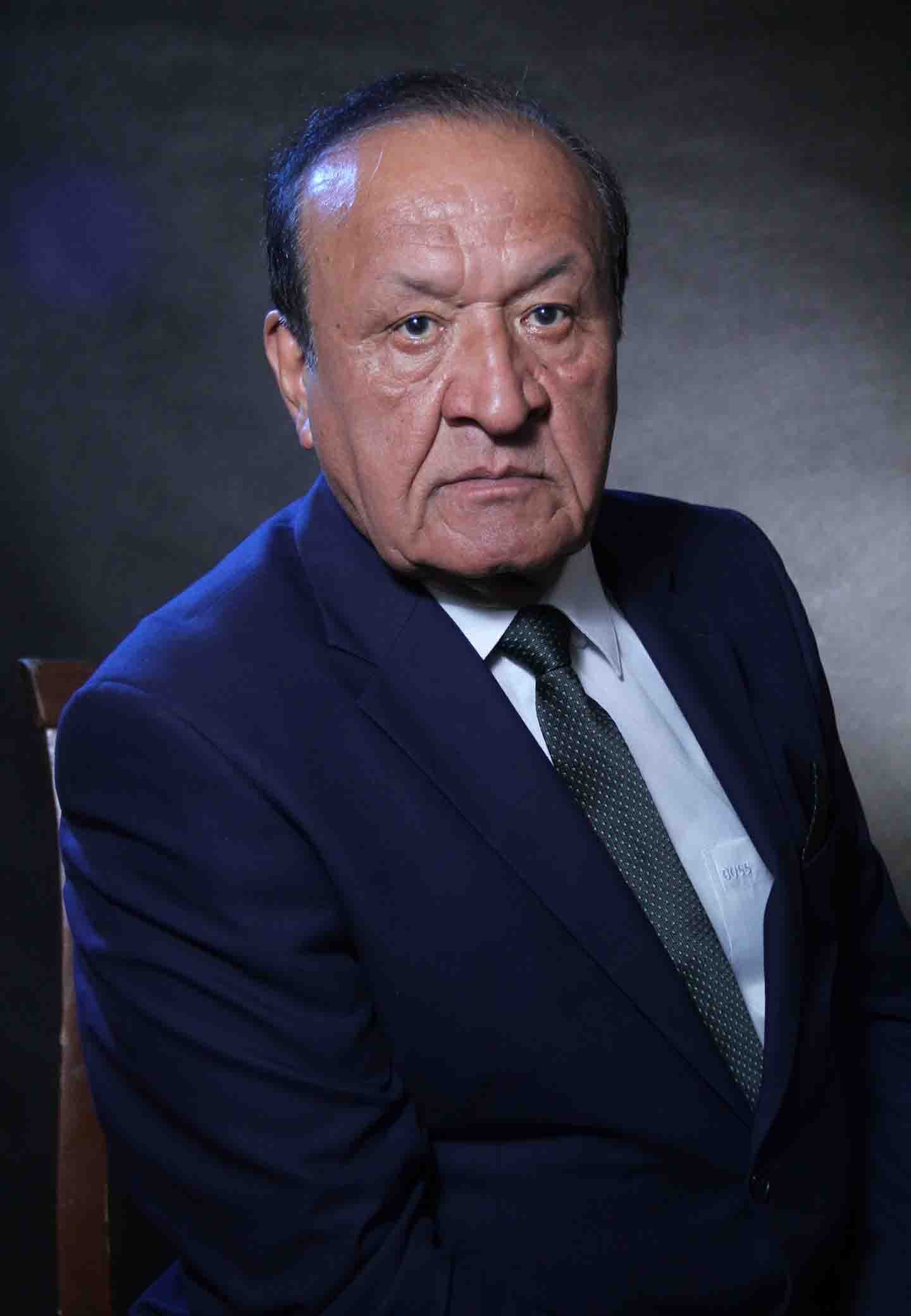
Erkin Komilov
Student reviews

Dilnoza